Keonjhar’s leading autism therapy center offers specialized programs to improve your child’s learning, behavior, and communication skills. Our experienced team focuses on personalized therapy plans designed to support each child’s unique development needs. We use structured approaches to enhance attention, social interaction, and daily life skills. Parents are guided to continue therapy practices at home for better results. Early intervention and consistent care lead to meaningful improvements.
 For expert consultation or to share patient details,
contact us on WhatsApp at 9437164832 today.
Autism Diet Plan: Best Foods to Improve Brain Development & Behavior
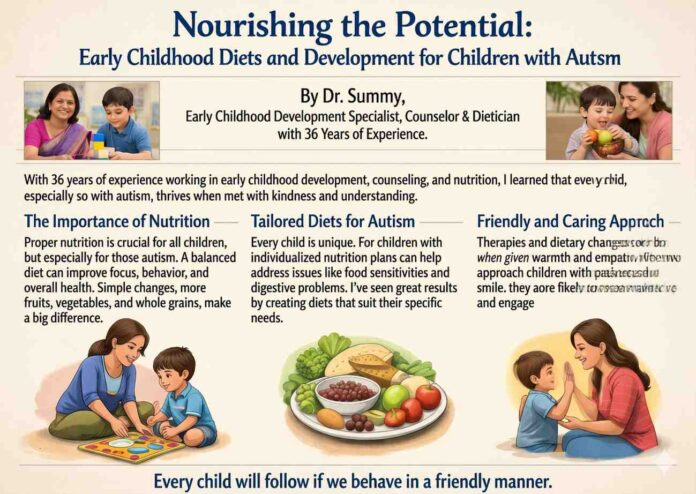
When parents discover that their child has autism, they often begin exploring every possible way to support their child’s development. One of the most commonly searched topics is diet and nutrition—questions like “Can food help improve autism symptoms?” or “What is the best diet for an autistic child?” are very common. While autism, or Autism Spectrum Disorder (ASD), is not caused by diet and cannot be cured through food alone, proper nutrition plays a powerful supportive role in improving brain function, behavior, focus, and overall well-being. A well-balanced and carefully planned diet can help children with autism feel more stable, attentive, and comfortable in their daily lives.
Children with autism often have unique eating habits and nutritional challenges. Many are selective eaters due to sensory sensitivities related to taste, texture, smell, or appearance of food. For example, a child may prefer only soft foods, avoid certain colors, or reject new foods entirely. This can sometimes lead to nutritional deficiencies if not managed properly. In addition, some children with autism experience digestive issues such as constipation, bloating, or food sensitivities, which can further affect their mood and behavior. Understanding these challenges is the first step toward building a diet plan that supports both physical health and cognitive development.
One of the most important nutrients for brain development in children with autism is omega-3 fatty acids. These healthy fats play a crucial role in supporting brain function, improving attention, and enhancing memory. Omega-3 fatty acids are known to support the development of neural connections, which are essential for learning and communication. Foods rich in omega-3 include fatty fish such as salmon and sardines, as well as plant-based sources like walnuts, flaxseeds, and chia seeds. Including these foods regularly in a child’s diet can contribute to better focus and reduced hyperactivity over time.
Protein is another essential component of a healthy autism diet. Proteins are made up of amino acids, which are the building blocks of neurotransmitters in the brain. These neurotransmitters are responsible for communication between brain cells, influencing mood, attention, and behavior. A diet that includes adequate protein can help maintain steady energy levels and support cognitive function. Good sources of protein include eggs, lentils, beans, dairy products, nuts, and seeds. For children who are picky eaters, parents can introduce protein-rich foods in creative ways, such as adding them to smoothies or preparing them in familiar textures.
Vitamins and minerals also play a vital role in supporting the development of children with autism. For example, vitamin B6 and vitamin B12 are important for brain and nerve function, while magnesium helps calm the nervous system and improve sleep quality. Zinc supports immune function and overall growth. These nutrients can be found in a variety of foods, including green leafy vegetables, fruits, whole grains, nuts, and seeds. A diverse and balanced diet ensures that the child receives these essential nutrients naturally. In some cases, a healthcare professional may recommend supplements if deficiencies are identified.
Digestive health is another important factor that is often overlooked. Many children with autism experience gut-related issues, and research suggests that there may be a connection between gut health and brain function. Including fiber-rich foods in the diet can help improve digestion and support a healthy gut. Fruits such as apples and bananas, vegetables like carrots and broccoli, and whole grains are excellent sources of fiber. A healthy digestive system can lead to better nutrient absorption, improved mood, and more stable behavior.
Some parents choose to explore specialized diets such as gluten-free or casein-free diets. Gluten is a protein found in wheat, barley, and rye, while casein is found in dairy products. The idea behind these diets is that some children with autism may have sensitivities to these proteins, which can affect digestion and behavior. While some parents report improvements after removing gluten or casein from their child’s diet, it is important to note that these results are not universal. Such dietary changes should always be made under professional guidance to ensure that the child continues to receive all necessary nutrients.
Equally important is identifying and limiting foods that may negatively affect behavior and health. Processed foods, excessive sugar, artificial colors, and preservatives can sometimes lead to increased hyperactivity, mood swings, or difficulty concentrating. Reducing the intake of junk food and replacing it with natural, whole foods can make a noticeable difference in a child’s overall well-being. Encouraging healthy eating habits from an early age helps build a strong foundation for long-term health.
Managing picky eating habits can be one of the biggest challenges for parents. Children with autism may resist trying new foods or have strong preferences for certain textures or flavors. Instead of forcing the child to eat, which can create negative associations, parents should introduce new foods gradually and patiently. Offering small portions, presenting food in a visually appealing way, and combining new foods with familiar favorites can increase acceptance over time. Consistency is key—repeated exposure to a food can eventually lead to acceptance, even if it takes time.
Hydration is another essential aspect of a healthy diet. Water plays a crucial role in maintaining energy levels, supporting brain function, and regulating body processes. Children should be encouraged to drink water regularly, while sugary drinks and carbonated beverages should be limited. Natural options like coconut water or fresh fruit juices can be included in moderation.
In addition to diet, lifestyle habits play a significant role in supporting children with autism. Proper sleep is essential for brain development, memory, and emotional regulation. A consistent sleep routine helps improve attention and behavior during the day. Physical activity, even simple activities like playing outdoors or engaging in movement-based games, can help reduce stress, improve mood, and enhance overall health. Limiting screen time is also important, as excessive exposure can affect sleep patterns and reduce opportunities for active learning.
Parents should remember that every child with autism is unique, and there is no single diet plan that works for everyone. Observing how the child responds to different foods and making adjustments accordingly is essential. Keeping a food diary can help identify patterns and understand which foods support better behavior and which may cause discomfort. Consulting a healthcare professional or nutrition expert can provide personalized guidance and ensure that the child’s nutritional needs are met effectively.

If parents have concerns about their child’s diet, digestion, or overall development, seeking professional guidance is an important step. For support or to share patient details, you can connect via WhatsApp at 9437164832.
In conclusion, while diet alone cannot treat autism, it plays a powerful supportive role in improving a child’s quality of life. A balanced diet rich in essential nutrients, combined with healthy lifestyle habits, can enhance brain development, improve behavior, and support overall well-being. With patience, consistency, and informed choices, parents can create a nutrition plan that helps their child feel healthier, more focused, and better prepared to learn and grow. Every small change in diet can contribute to meaningful progress, making nutrition an important part of the journey in supporting children with autism.