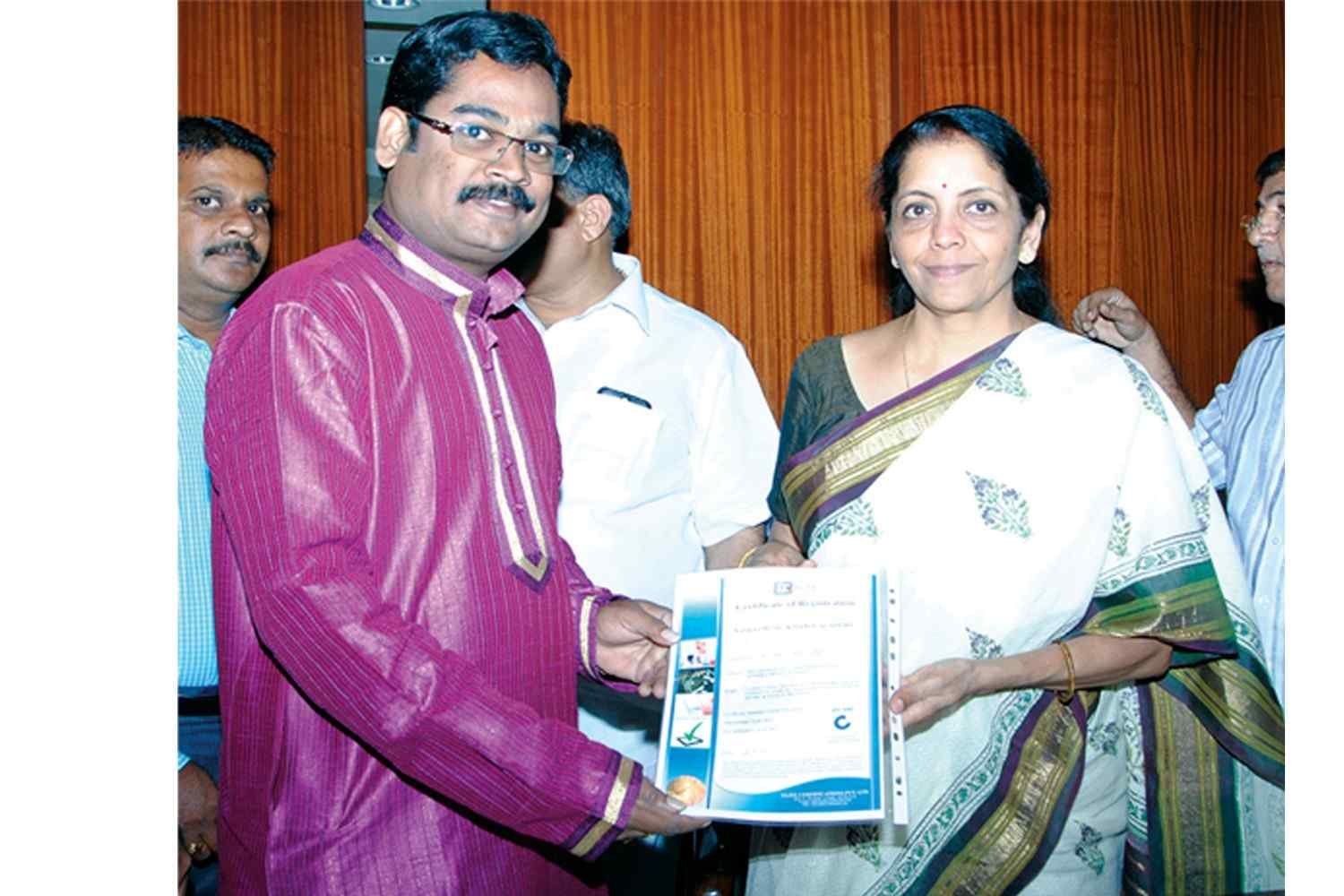
The preservation of traditional dance requires more than keeping performances alive on stage. It also depends on research, education, documentation, dialogue and meaningful interaction between generations. This broader understanding of cultural preservation is reflected in the work surrounding the International Traditional Dance Congress (ITDC), a platform associated with cultural organiser and Kuchipudi exponent Vikram Kumar B R, popularly known as Bathina Vikram Goud.
The ITDC brings together different sections of the traditional dance community, including performers, teachers, scholars, young artistes and cultural representatives. Its central importance lies in creating opportunities for these groups to interact rather than treating performance as an isolated cultural activity.
Traditional dance forms contain layers of knowledge that may not always be visible during a stage presentation. Technique is only one part of the tradition. Repertoire, literature, music, history, teaching methods, costumes, regional variations and performance practices all contribute to an art form’s identity.
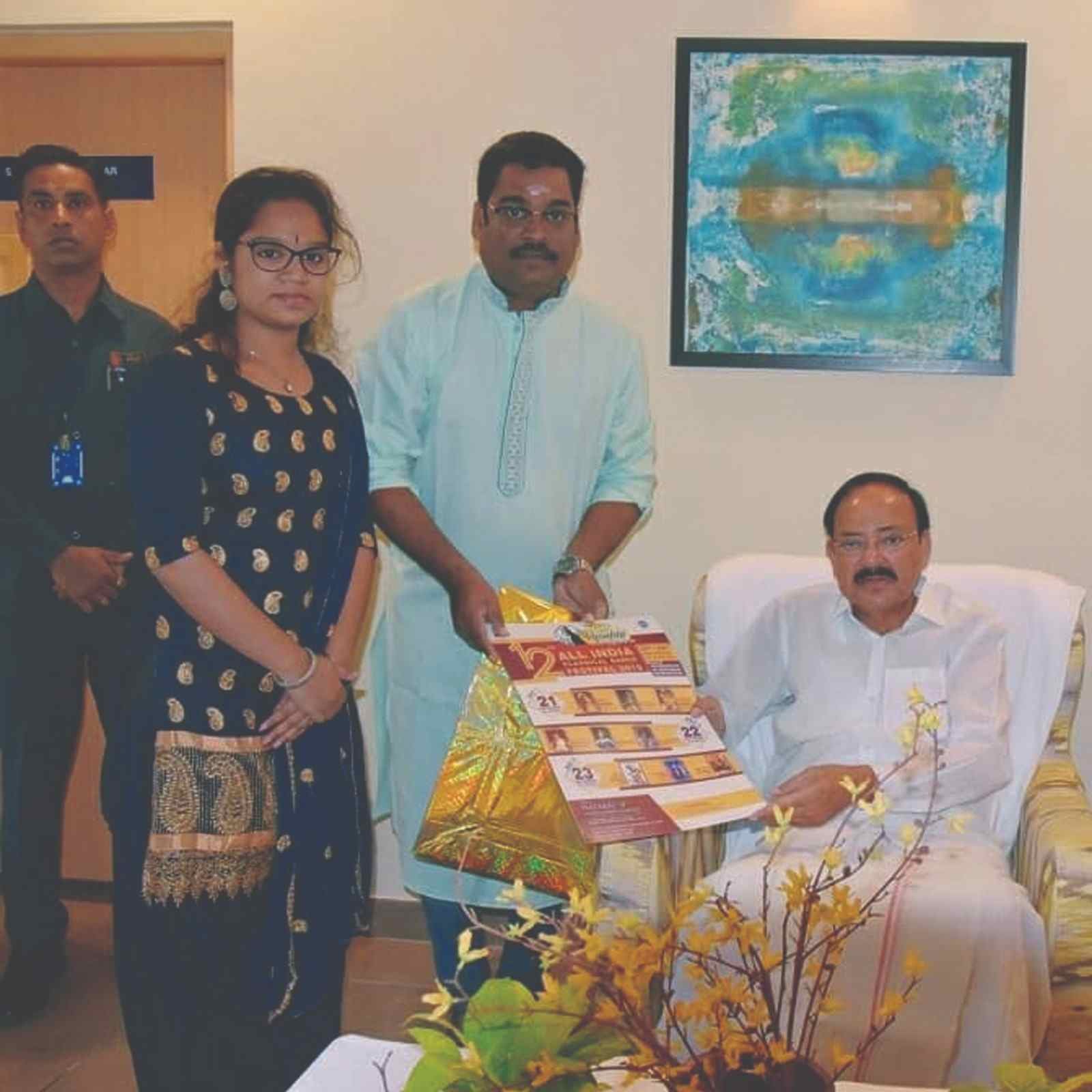
A congress-style platform provides an opportunity to explore these dimensions collectively. Through workshops, seminars, paper presentations, competitions and performances, the ITDC creates space for both practical and intellectual engagement with traditional dance.
This combination distinguishes the concept from a conventional festival. A festival primarily provides a platform for artists to perform before an audience. A congress can go further by asking questions about how traditions developed, how they are taught, how repertoire is preserved and how cultural knowledge can be transmitted responsibly.
For young artistes, this wider environment can be particularly valuable. Training in a classical or traditional dance form requires years of discipline, but technical training alone may not provide a complete understanding of the cultural background of the art. Interaction with senior performers, teachers and researchers can encourage students to look beyond individual movements and understand the tradition as a larger knowledge system.
The presence of experienced practitioners also creates opportunities for informal mentorship. Senior artistes can share insights gained through decades of practice, while younger performers can bring new perspectives and questions to the conversation. Such interaction helps create continuity between generations.
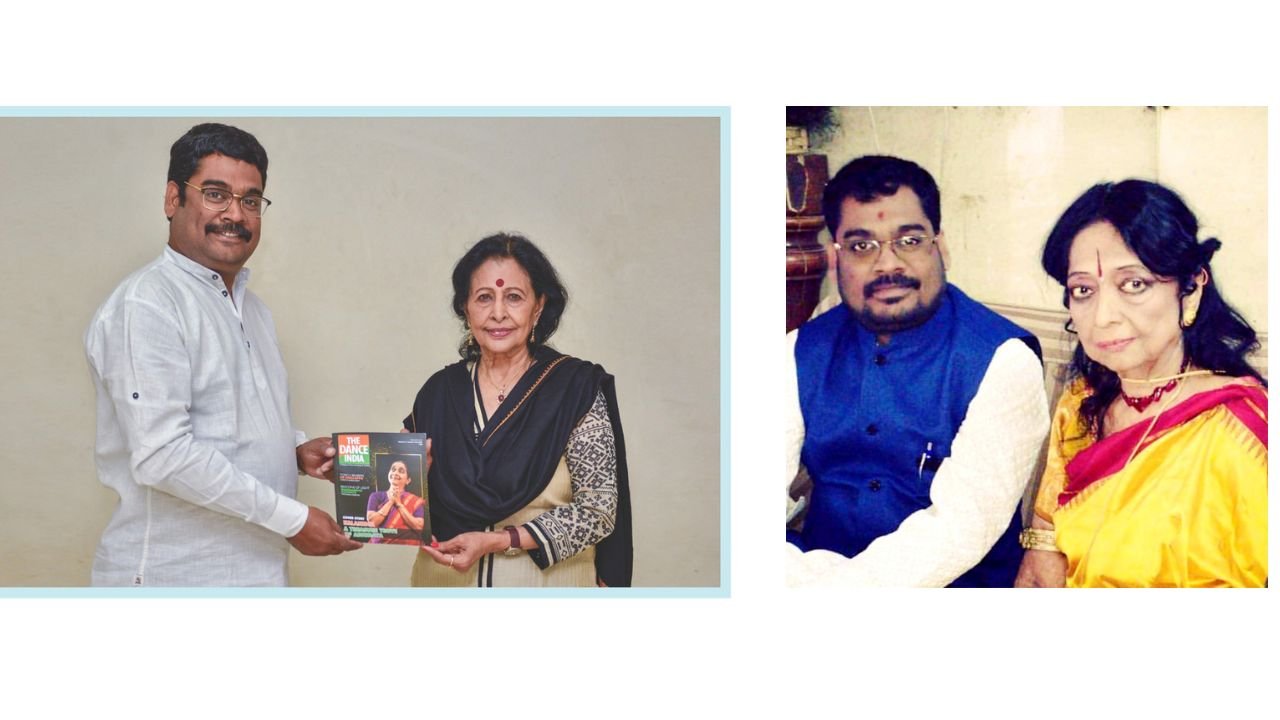
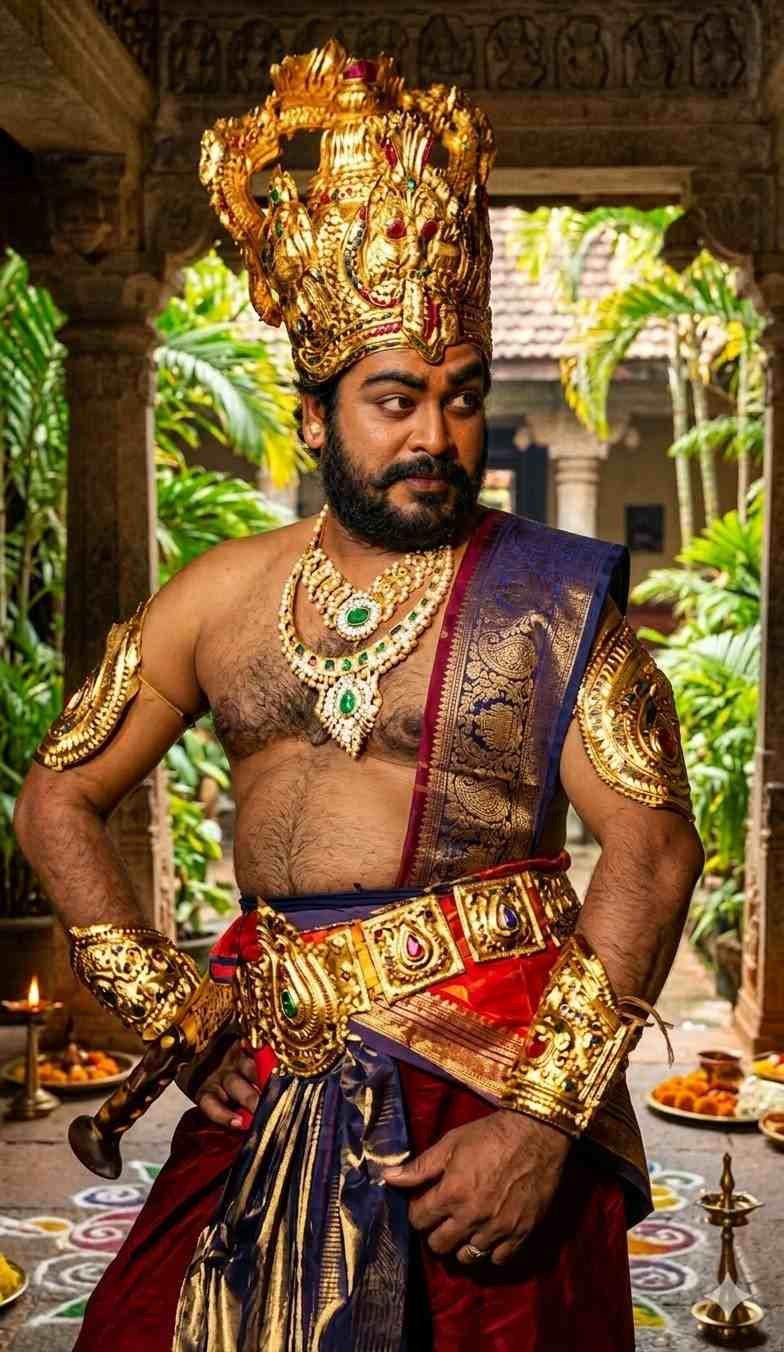
Vikram Kumar B R’s involvement in this field is part of a larger cultural journey that has included performance, choreography, theatre, dance education, festival organisation and cultural journalism. His initiatives have consistently attempted to connect different parts of the Indian classical arts ecosystem.
Research is another important component of this approach. Vikram Kumar B R himself has undertaken academic research into Siva Thandavam and Saptha Thandavam within the Kuchipudi tradition. His academic background demonstrates the value of combining practical artistic experience with structured research.
Documentation similarly plays a significant role. Cultural traditions can be vulnerable when knowledge remains dependent entirely on oral transmission or individual memory. Recording artistic practices, histories and contributions of practitioners can help future generations access information that might otherwise disappear.
The ITDC’s international dimension adds another layer to this process. Traditional dance is not confined to one geographical community. Different cultures have their own performing traditions, and bringing practitioners together can encourage comparisons, cultural understanding and exchange.
Collaborative presentations such as Maha Brunda Nrityam illustrate how collective performance can complement intellectual dialogue. Such productions allow artists to participate in a shared artistic experience while highlighting the diversity and strength of traditional dance.
The congress also reflects a modern understanding of heritage. Preserving tradition does not necessarily mean keeping it isolated from contemporary society. Instead, traditions can remain rooted in their original principles while being studied, discussed and presented through modern cultural platforms.
For Vikram Kumar B R, this balance between preservation and engagement is central to his broader work. His cultural initiatives have sought to provide stages for performers, opportunities for students, platforms for researchers and channels for documenting artistic heritage.
The International Traditional Dance Congress therefore brings several dimensions of cultural activity together under one framework. Performance provides visibility, research provides understanding, education supports transmission, and cultural exchange expands perspectives.
In an era of rapid technological and social change, such an integrated approach can become increasingly important. Traditional arts need spaces where practitioners can not only perform but also think, question, learn and share.
The ITDC represents that kind of cultural space. By connecting performance with research, education and international exchange, it contributes to a larger effort to ensure that traditional dance remains a living and evolving part of cultural life while retaining the knowledge and identity inherited from earlier generations.